printerguidehub.info

Learn About Common Printer Problems and Their Meanings

A Practical Guide to Understanding the “Paper Size Mismatch” Message

(General Educational Guide) A “Paper Size Mismatch” message may appear during printing when the paper size selected in your print settings does not correspond with...
Read More
Understanding Wireless Printing from an iPhone: A General Guide

(General Educational Guide) Wireless printing allows compatible iPhones to send documents, photos, and other printable content to a printer over a local Wi-Fi network, eliminating...
Read More
Understanding How to Add a Printer to a Chromebook

(General Educational Guide) Chromebooks are designed to provide a simple and streamlined computing experience, including support for everyday printing. Whether a printer is connected through...
Read More
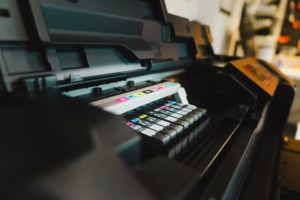
Understanding Why a Printer May Not Produce Color Output

(General Educational Guide) It can be surprising when a printer that normally produces color documents begins printing only in black and white or shows little...
Read More
Understanding How Wireless Printers Connect to Wi-Fi

(General Educational Guide) Wireless printers allow documents and images to be printed over a local Wi-Fi network without requiring a direct cable connection. Once connected...
Read More
Why Clearing the Printer Queue May Be Helpful

(General Educational Guide) When multiple documents are sent to a printer, the operating system temporarily stores them in a processing list known as the print...
Read More

How to Clear the Printer Queue: Fast and Easy Fixes That Work

(General Educational Guide) A stuck print job can quickly interrupt your workflow. You send a document to print, but instead of completing, the printer freezes...
Read More

How to Safely Remove Stuck 3D Prints from Your Printer Bed

(General Educational Guide) Removing a stuck 3D print can be frustrating, especially when it strongly adheres to the build plate. However, using the right techniques...
Read More
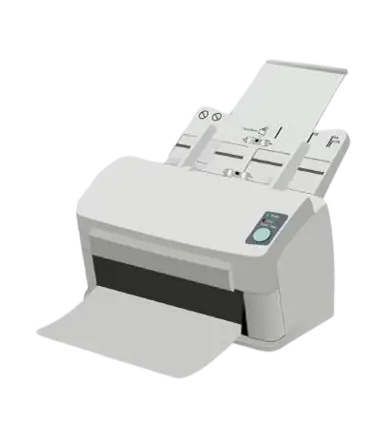
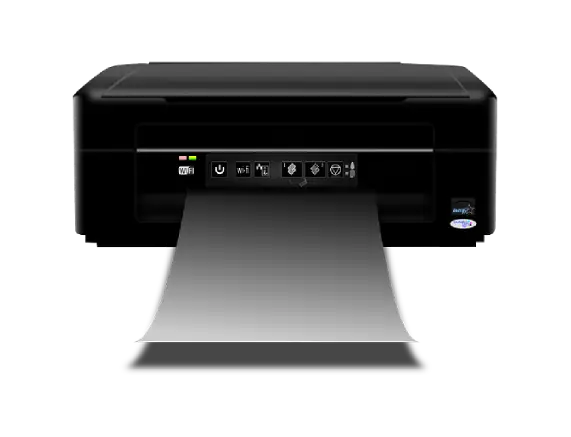
Printer Setup and Installation Guide

Getting your printer ready allows you to convert digital files such as documents, images, and designs into printed copies with ease. A correct setup ensures smooth performance and reduces the chances of errors during use. Follow the steps below to install your printer properly.

  • Plug the printer into a power outlet and switch it on.
  • Connect the printer to your computer using a USB cable.
  • Allow your system a moment to detect the connected device.
  • Install the necessary drivers and software by following the on-screen instructions.
  • If a setup CD is included, use it during installation and remove it afterward.
  • Print a test page or run a scan to confirm that the printer is functioning correctly.

Printer Offline - Guide

Sometimes your printer may stop responding or appear as “offline” due to connectivity issues, outdated settings, or incorrect printer configuration. This usually happens when the device loses communication with your computer or is set to an incorrect mode. You can easily bring it back online by checking a few settings. Follow the steps below:

  • Open the Start menu and go to Settings.
  • Navigate to Bluetooth & Devices, then select Printers & Scanners.
  • Choose your printer from the list and click Open Print Queue.
  • In the print queue window, click on the Printer menu.
  • Make sure Use Printer Offline is not enabled.
  • If it is turned on, disable it to restore normal printing.
  • Restart your printer and computer if needed, then check the status again.

Easy Guide: How to Connect Your Printer to a Wi-Fi Network

Connecting your printer to Wi-Fi lets you print wirelessly from your computer, smartphone, or tablet. If your printer fails to connect, it’s usually due to network mismatches, temporary glitches, or incorrect setup. You can fix it quickly by following these simple steps:

  • Turn on your printer and ensure it is in wireless setup mode.
  • Check that your Wi-Fi network is working properly on your router.
  • Make sure your device (computer or phone) is connected to the same Wi-Fi network.
  • If using a USB cable for setup, ensure it is properly connected during configuration.
  • Run the printer’s built-in wireless setup or network test option.
  • Re-enter your Wi-Fi password carefully if prompted during setup.
  • Restart your printer and router if the connection still fails.

How to Connect Your Printer to Wi-Fi in Simple Steps

  • Place your printer close to your Wi-Fi router (within 5–6 feet) to maintain a strong and stable signal.
  • Power on the printer and wait until it is fully ready for network setup.
  • Most modern printers will automatically search for available Wi-Fi networks and connect once selected.

If the connection does not happen automatically:

  • Keep your Wi-Fi name (SSID) and password handy for manual setup.
  • Enter the network details directly on your printer’s control panel to complete the connection.

Once connected:

  • Your printer will become available across all devices connected to the same Wi-Fi network.
  • Verify the printer status on your computer, phone, or tablet before sending a print command.

How Our Guides Help You Set Up Your Printer Without Hassle

How Our Printer Setup Guides Help You Fix Issues Easily

Printers can sometimes behave unexpectedly, and searching for the right solution can waste both time and effort. Our guides are designed to make the process simple and stress-free.

When basic fixes don’t solve the issue, our step-by-step instructions help you troubleshoot problems quickly and effectively.

Each guide is written in clear, simple language so users of all experience levels can follow along without confusion.


With these structured guides, you can resolve printer issues confidently and get back to printing without unnecessary hassle.

help

Frequently Asked Questions

What are the steps to setup a new printer?

If you are familiar with printer devices, the setup process is quite simple. By following a few basic steps, you can get your printer ready in no time.

Steps
1

Turn on your printer and connect it to a stable internet network.

2

Visit the official website of your printer’s manufacturer.

3

Enter the required details related to your printer model.

4

Go to the “Drivers” section and download the appropriate driver from your dashboard.

5

Once installed, print a test document to confirm that your printer is working properly.

Printer drivers are software programs that convert data from your computer into a format that a printer can understand and process. Keeping these drivers updated to the latest version helps ensure smooth performance, better compatibility, and proper functioning of your printer over time.

Updating a printer driver is a simple process and usually takes only a few minutes. Follow these steps to refresh your printer driver:

  • Open Control Panel and go to Hardware and Sound.
  • Click on Device Manager and locate the Printers section.
  • Right-click on the printer you want to update.
  • Select Update Driver from the menu.
  • Choose Search automatically for updated driver software.

Once completed, Windows will automatically find and install the latest available driver for your printer.

When the ink cartridge is completely empty, it should be replaced immediately to avoid printing issues. Follow these simple steps to install a new cartridge correctly:

  • Allow the printer to stop all ongoing activity and ensure it is powered on.
  • Open the printer cover carefully to access the ink cartridge area.
  • Hold the cartridge from the sides and make sure the nozzle is facing the correct direction inside the printer.
  • Remove the old cartridge gently and insert the new one by following the same steps in reverse order.

Once installed properly, close the cover and run a test print to confirm the cartridge is working correctly.